Pique, jersey or fleece: golf fabrics explained
A plain-English glossary of the fabrics and terms you see on golf clothing labels, from pique and ring-spun cotton to fabric weight.
 Illustrative image
Part of a seriesHow should a golf polo fit?
Product pages are full of fabric terms. Here is what the common ones mean, so you can compare pieces on what they are made of rather than what they are called.
Pique#
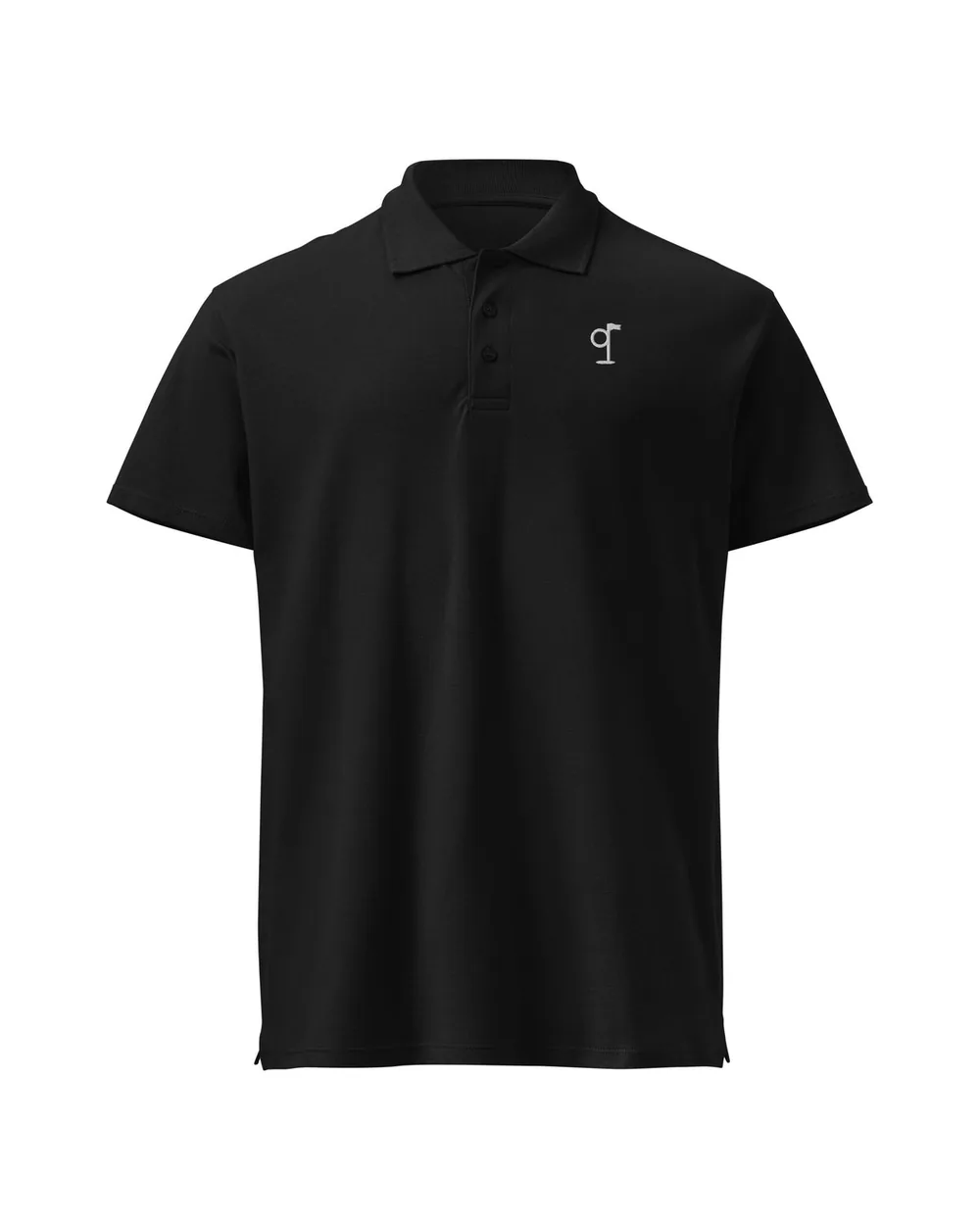
A knit with a fine, textured, slightly raised surface, the classic fabric of the golf polo. It has more body than smooth jersey and holds a collar well.
Jersey#
A smooth, flat knit, the fabric of most T-shirts. Lighter and softer than pique, with less structure.
Fleece and three-end fleece#
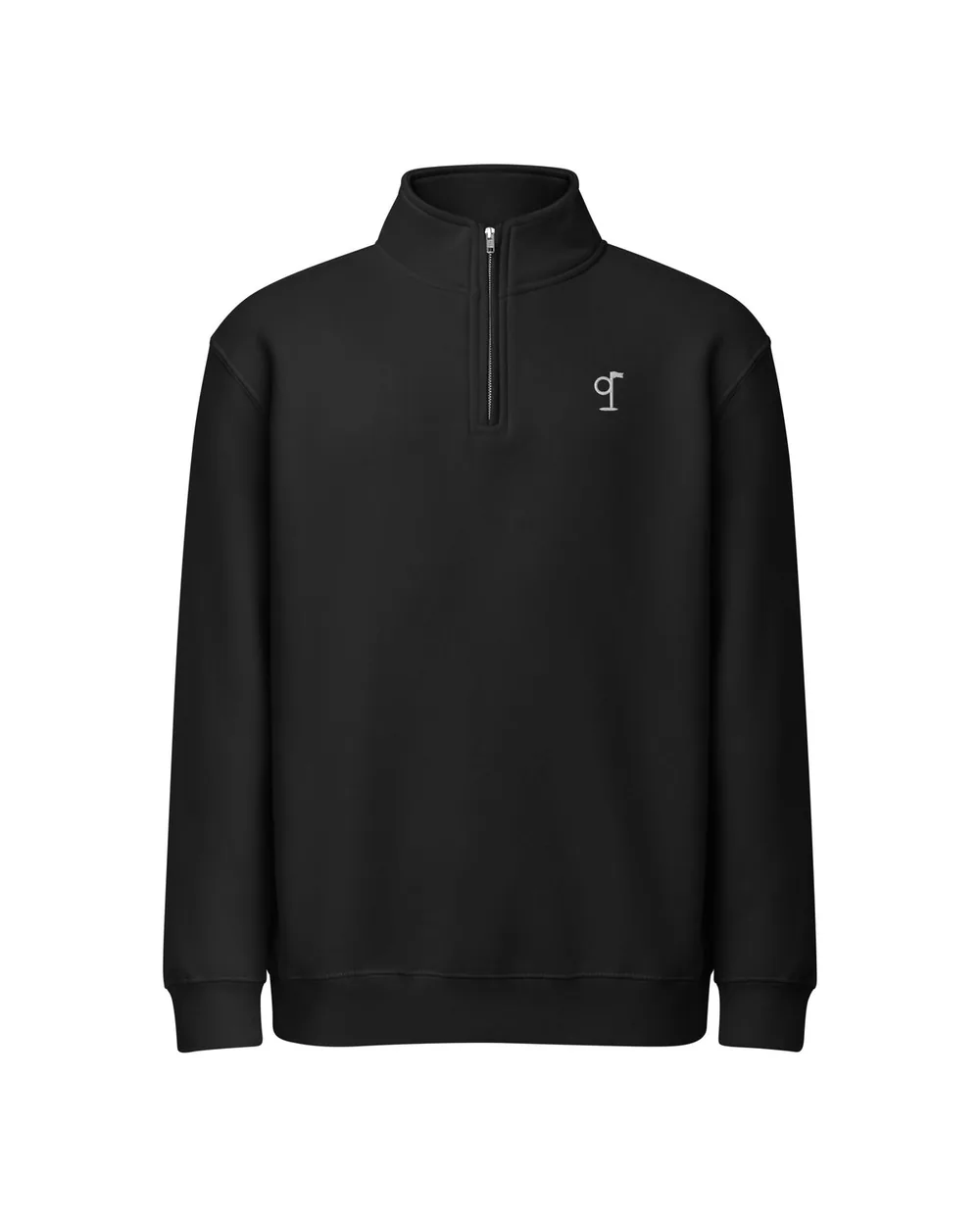
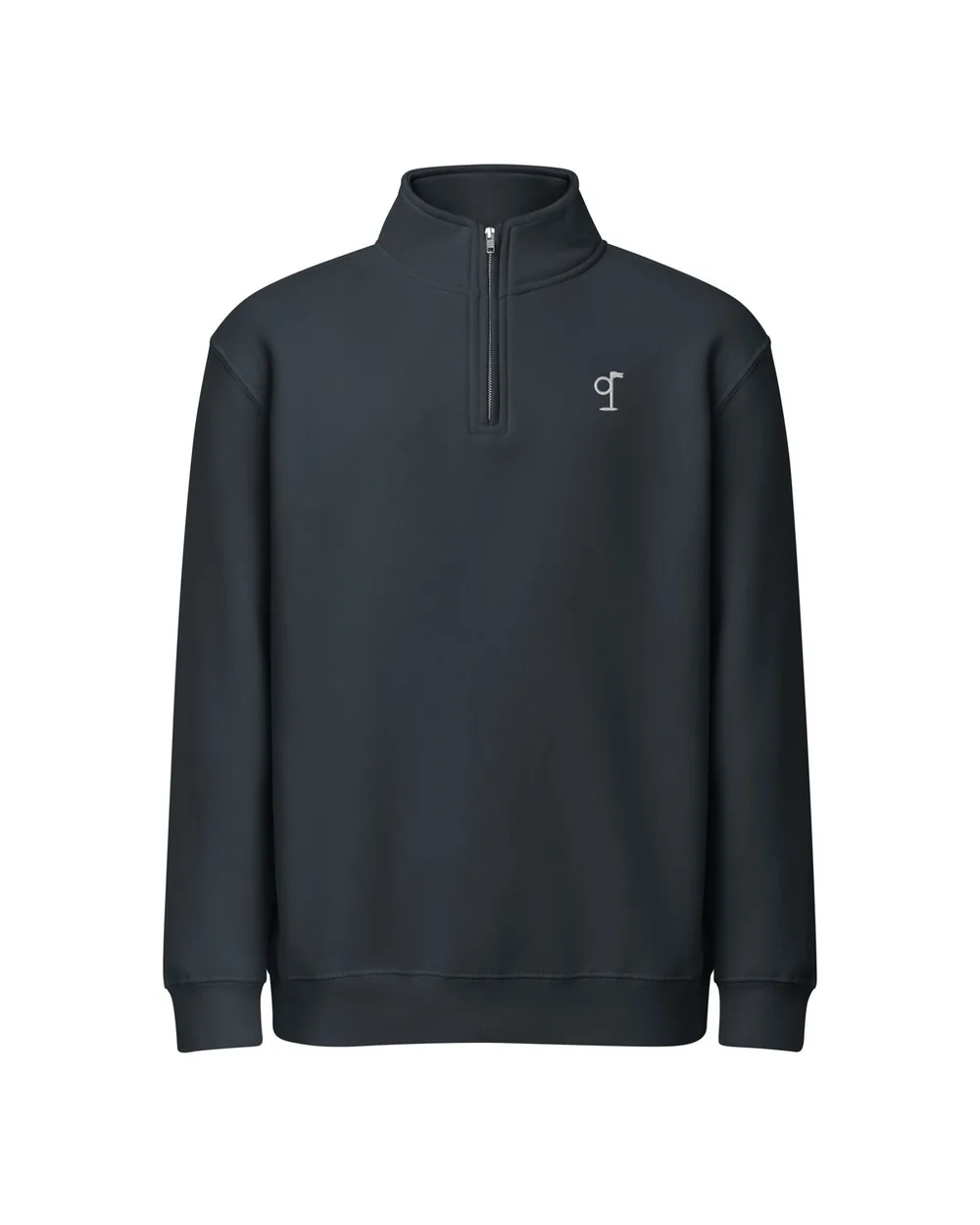
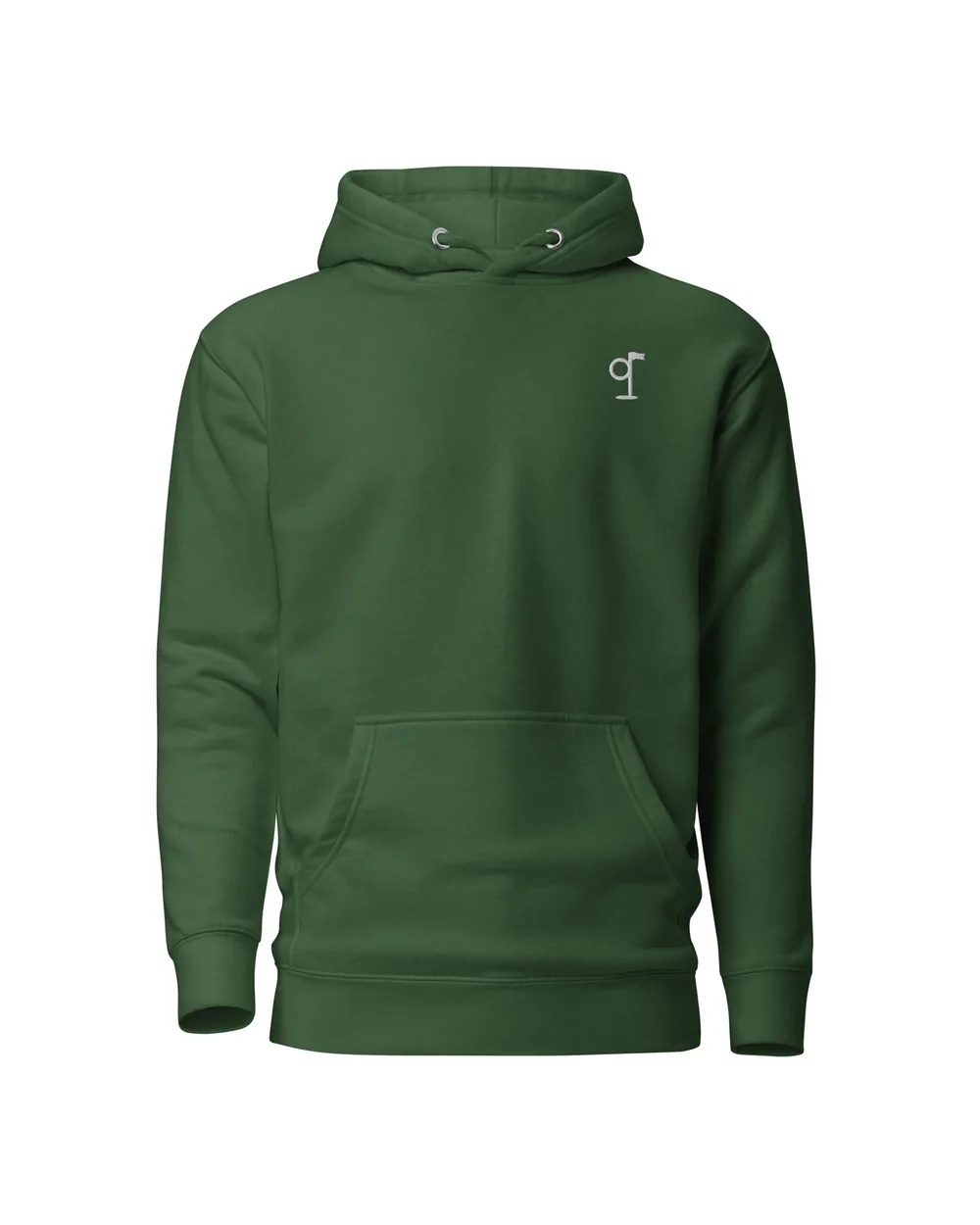
Fleece is a knit with a soft, brushed inside. Three-end fleece is knitted from three yarns, giving a denser, heavier fabric than standard sweatshirt fleece.
Ring-spun and combed cotton#
Combing removes short fibers before spinning; ring spinning twists the yarn more finely. Together they make a smoother, softer cotton yarn than standard open-end cotton.
Polyester and cotton blends#
Blending polyester with cotton changes how a fabric feels, drapes and holds its shape. The label gives the split, such as 65% polyester and 35% cotton; the first fiber listed is the larger share.
Stretch twill and spandex#
Twill is a woven fabric with fine diagonal lines, common on caps. A few percent of spandex lets it stretch, which is how a fitted cap can hold its shape without an adjustable strap.
Fabric weight#
Weight is given in ounces per square yard (oz/yd²) or grams per square meter (g/m²). Higher numbers mean more fabric: the 10.3 oz/yd² fleece of the 19th Hole Jogger has nearly twice the material of the 5.5 oz/yd² cotton of the Clubhouse Tee, with the Ninth Cotton Polo in between at 6.2 oz/yd². Weight says nothing on its own about quality, but it is a fair way to compare like with like.
Written by Ninth & Pine. First published October 9, 2026, last reviewed October 9, 2026.